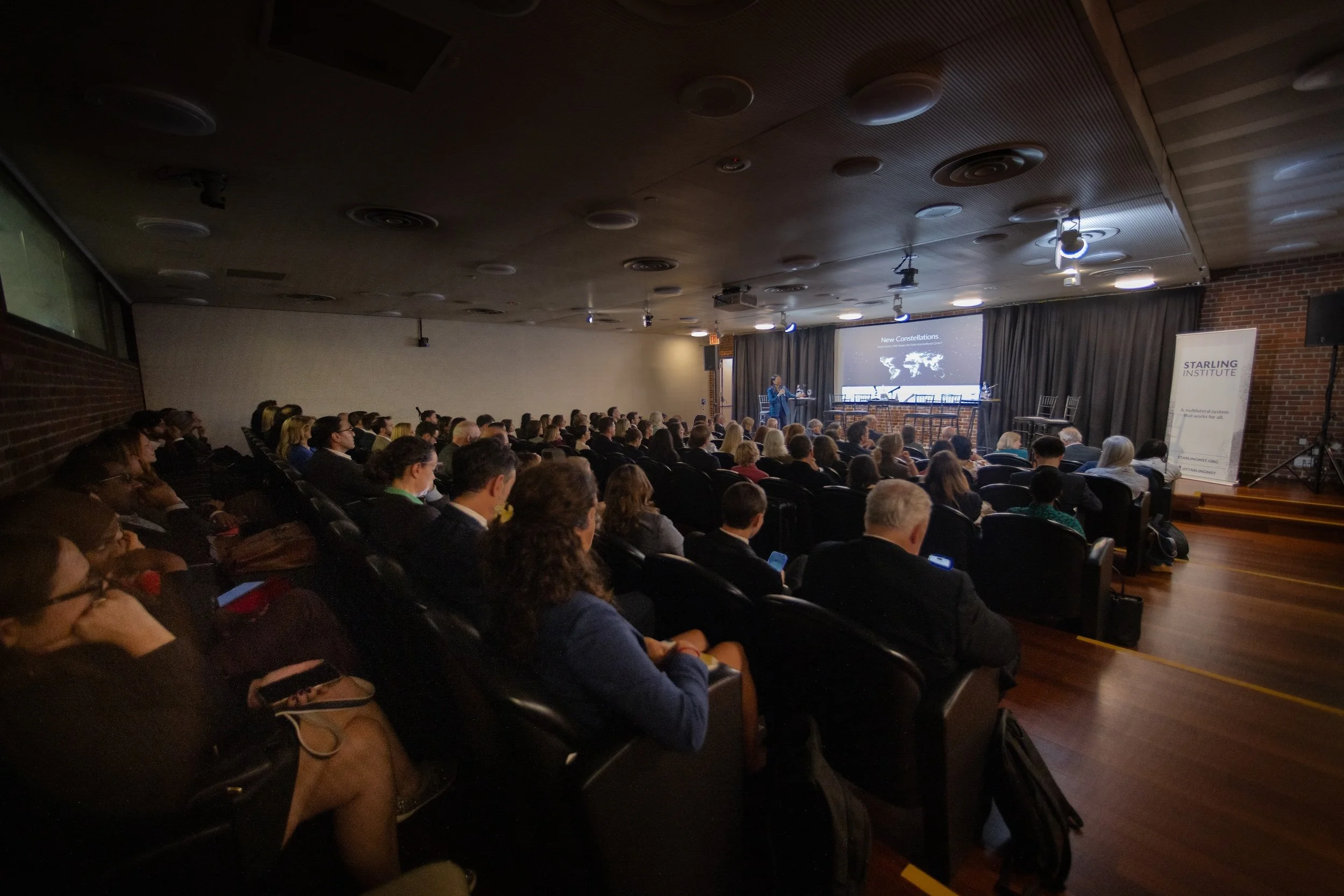
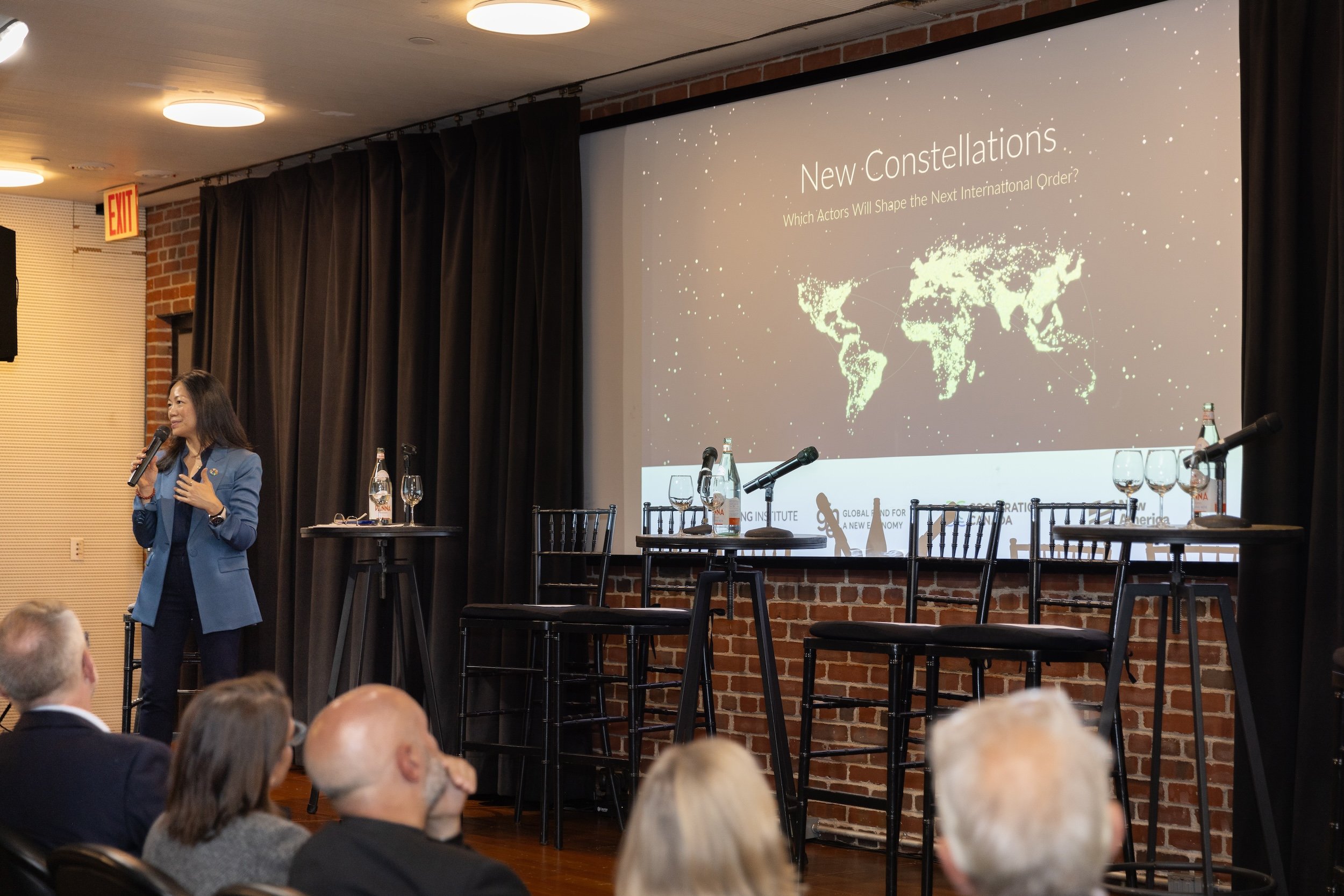
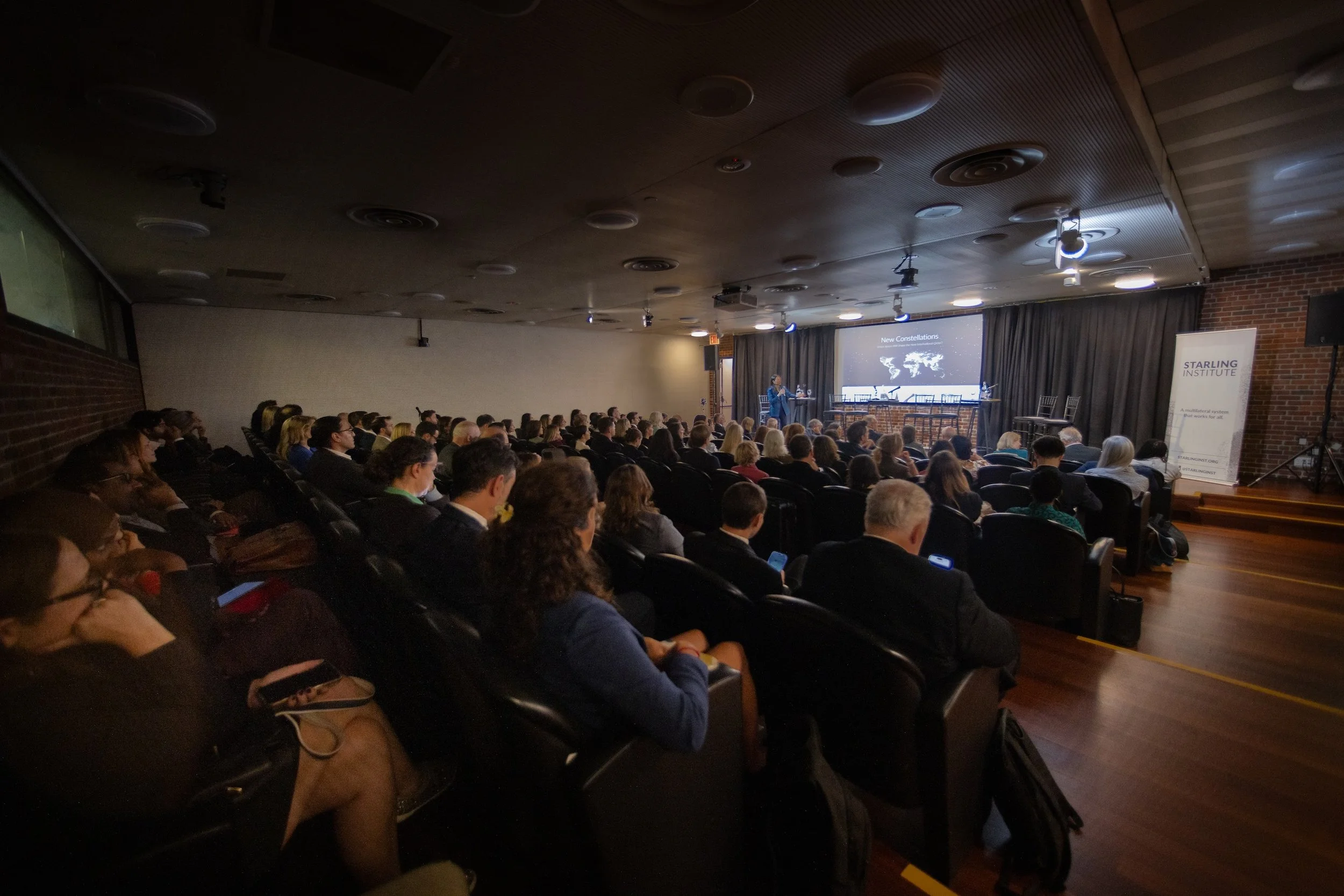
When we picture a map of the world at night, the boundaries of sovereign states disappear. What remains are constellations of light, cities, corridors, and clusters of human relationships scattered across the dark. Unlike a familiar political map, this is a map defined by connection. Seen this way, the international system appears not only as a chessboard of competing states, but also as a web of networks linking governments, businesses, communities, and institutions across borders. As the assumptions underpinning the post-1945 order come under increasing strain, this perspective raises a fundamental question. Which constellation of actors is best placed to shape the next international order?
States remain indispensable, and multilateral institutions continue to play a critical role in providing the normative frameworks and common principles that underpin international cooperation. At the same time, many of the most consequential forms of international cooperation are increasingly organized through coalitions that extend beyond governments alone. Technology companies shape the rules governing artificial intelligence and digital infrastructure. Financial institutions influence development pathways and access to capital. Civil society movements help redefine international norms, while universities and think tanks generate the ideas and policy paradigms that shape decision-making. Many of the most influential coalitions today bring together governments, multilateral organizations, businesses, philanthropy, researchers, and civil society to address shared challenges. Understanding the next era of international cooperation therefore requires examining how these different actors interact, and how power, legitimacy, and collective action are organized across an increasingly diverse international landscape.
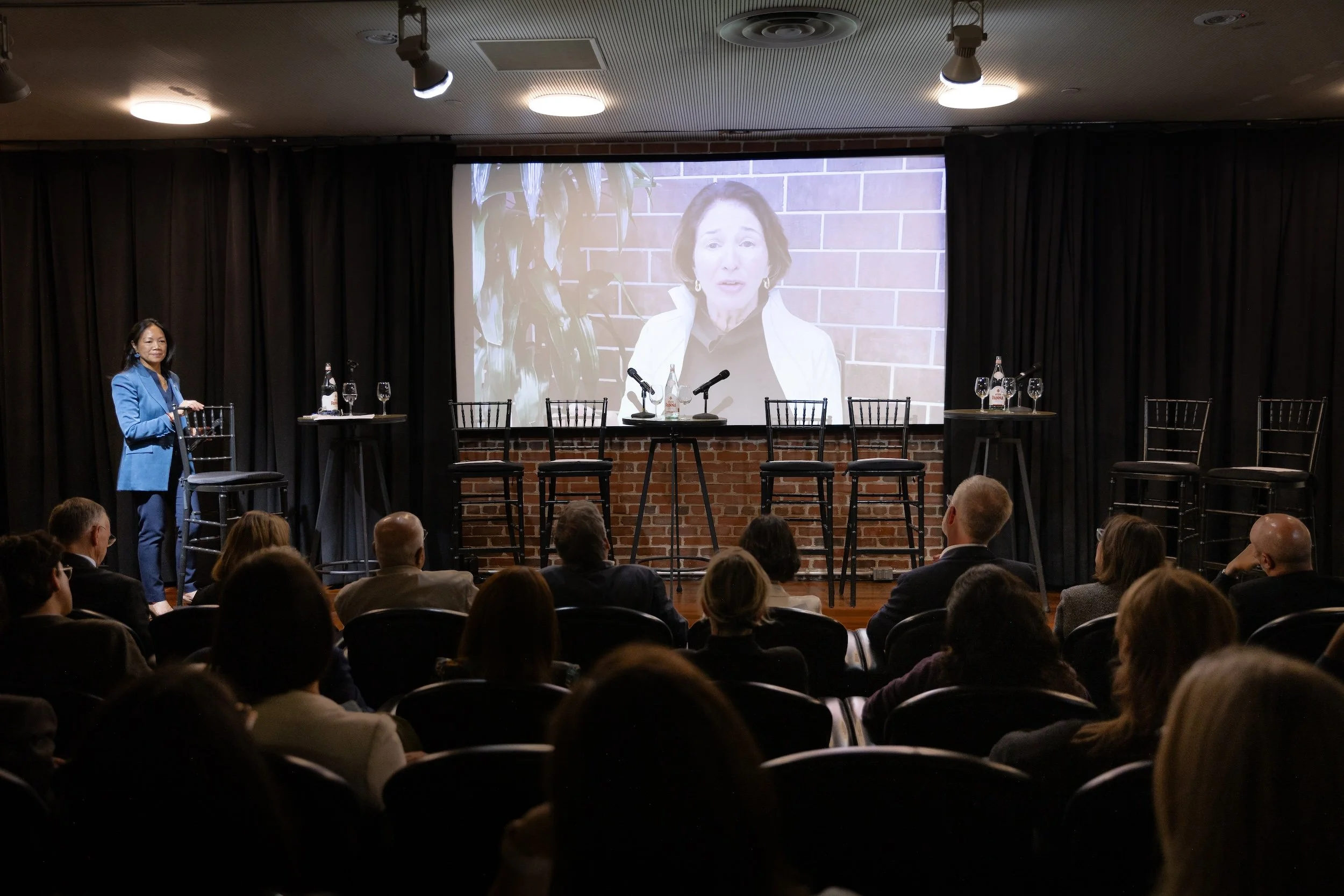
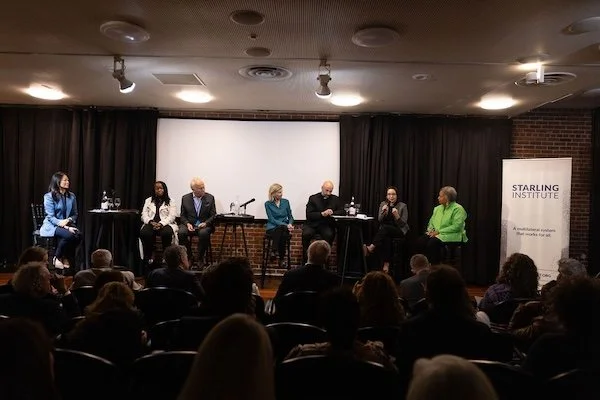
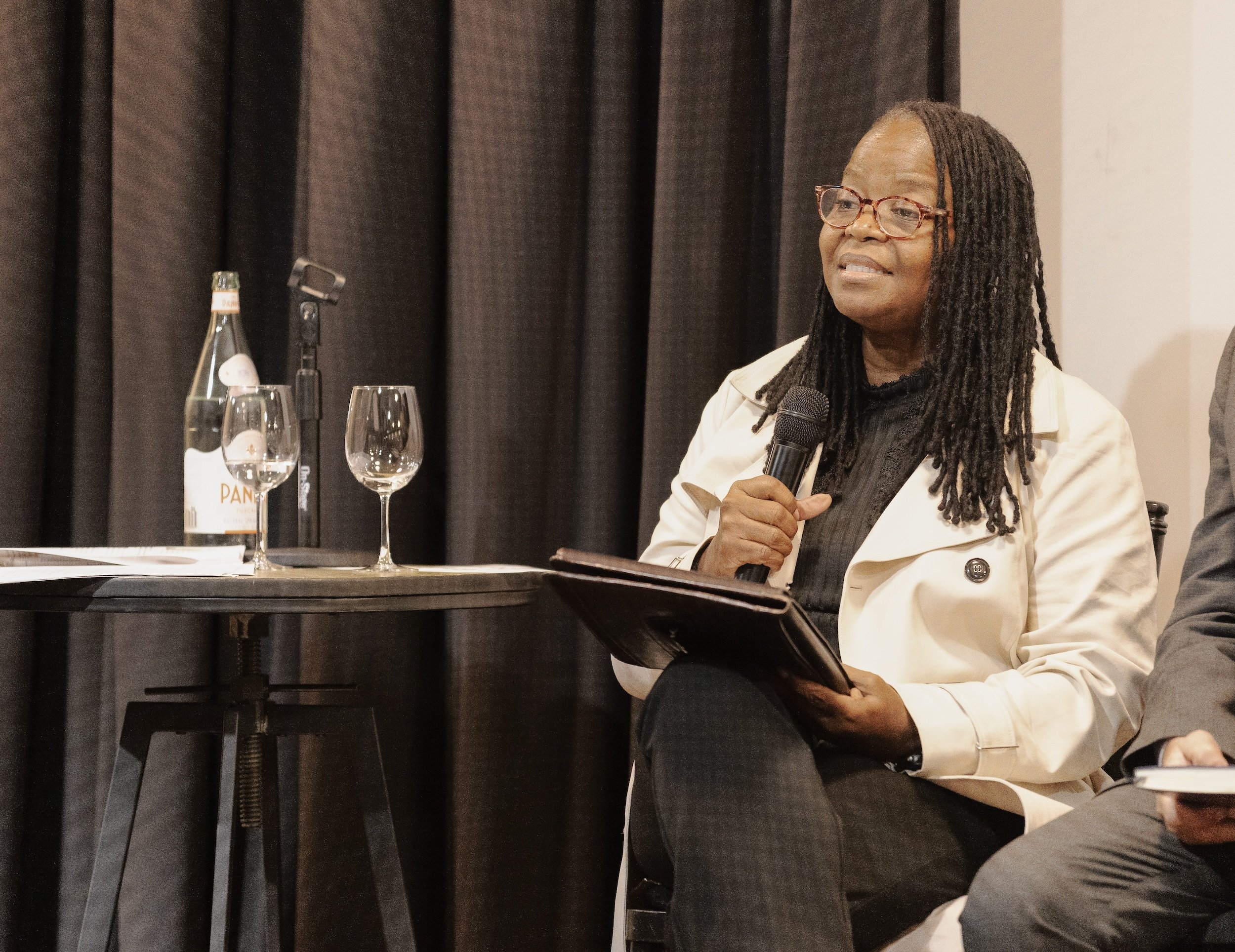
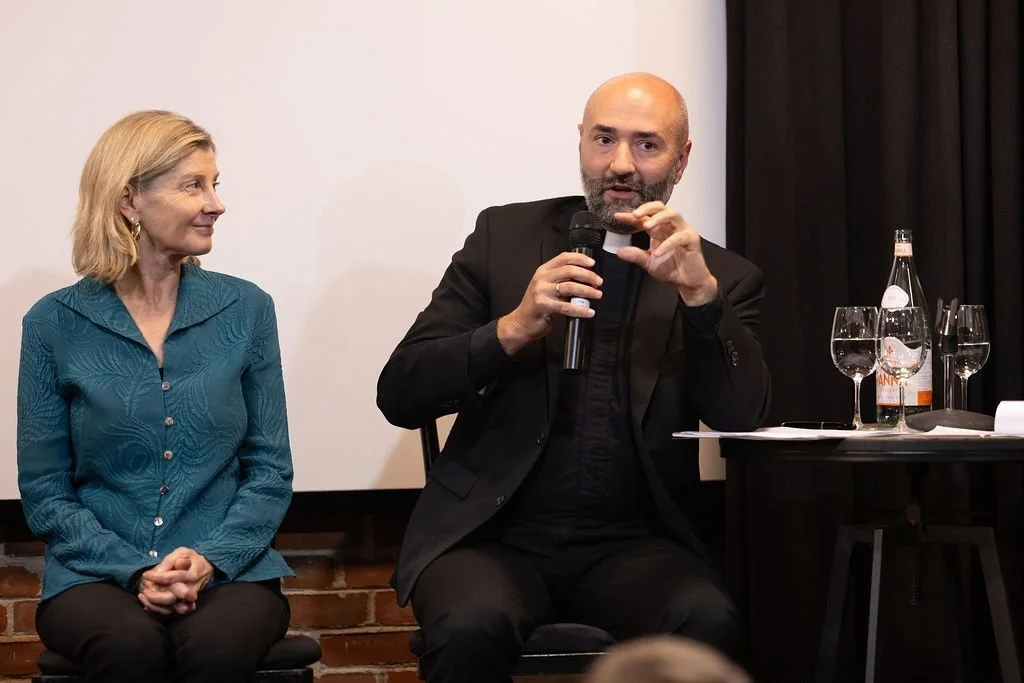
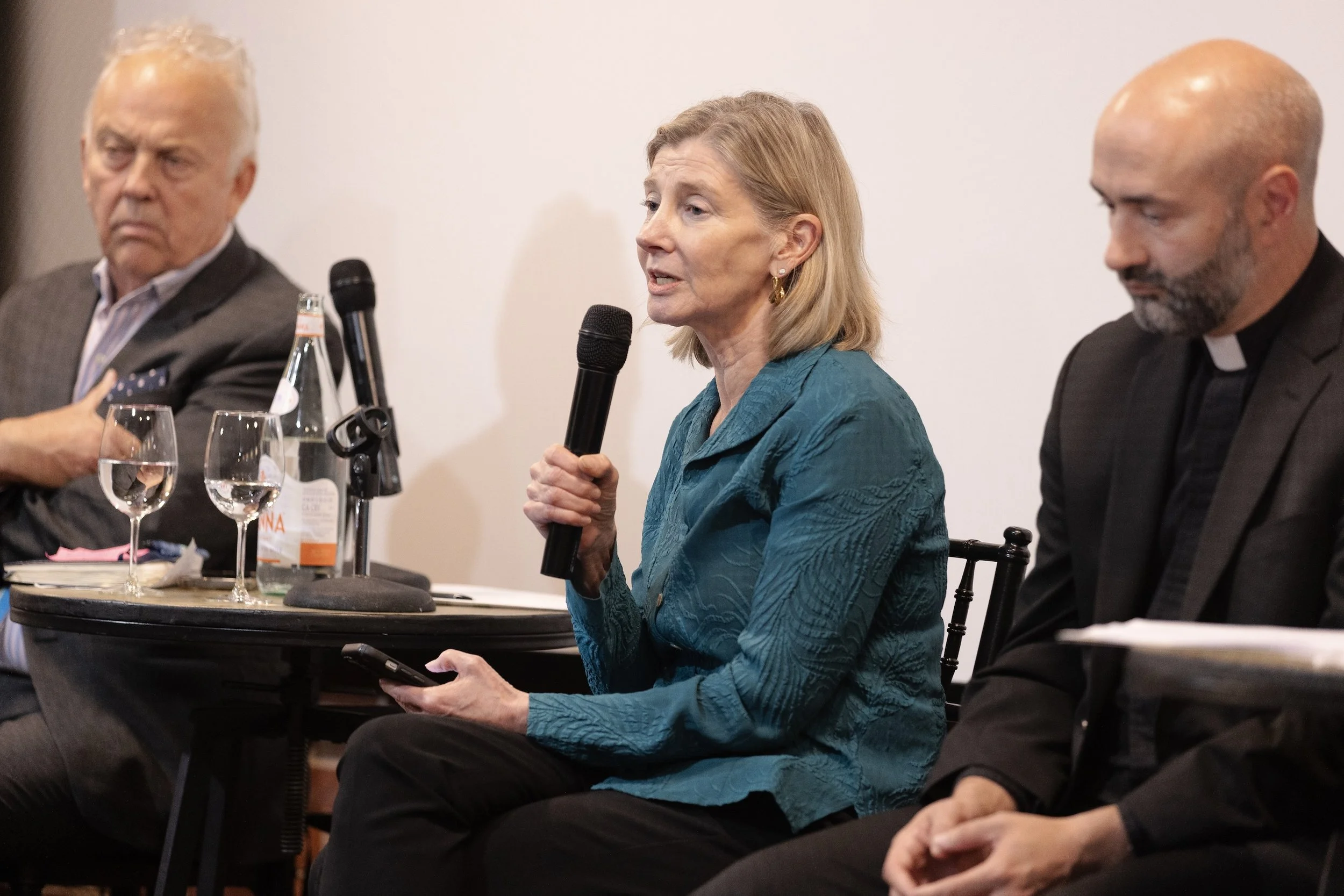
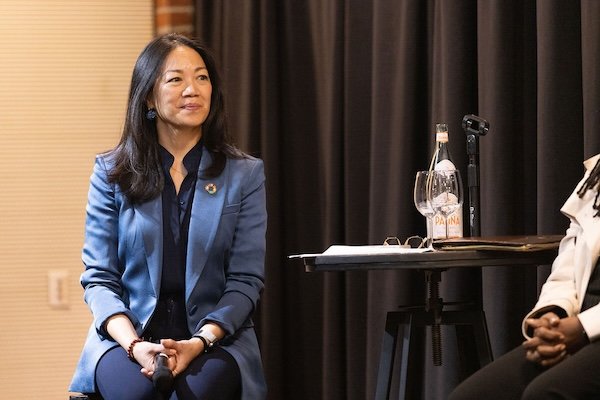
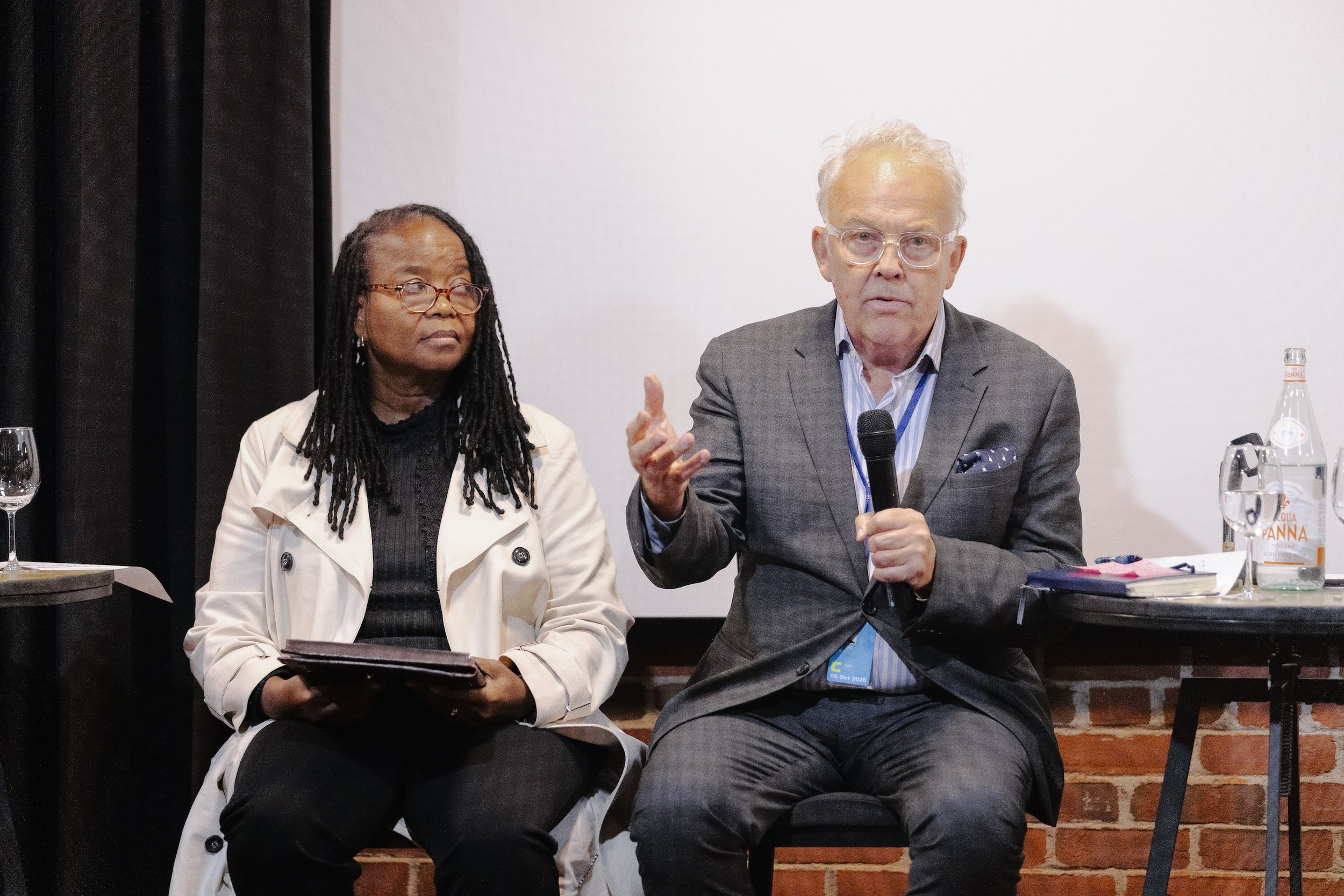
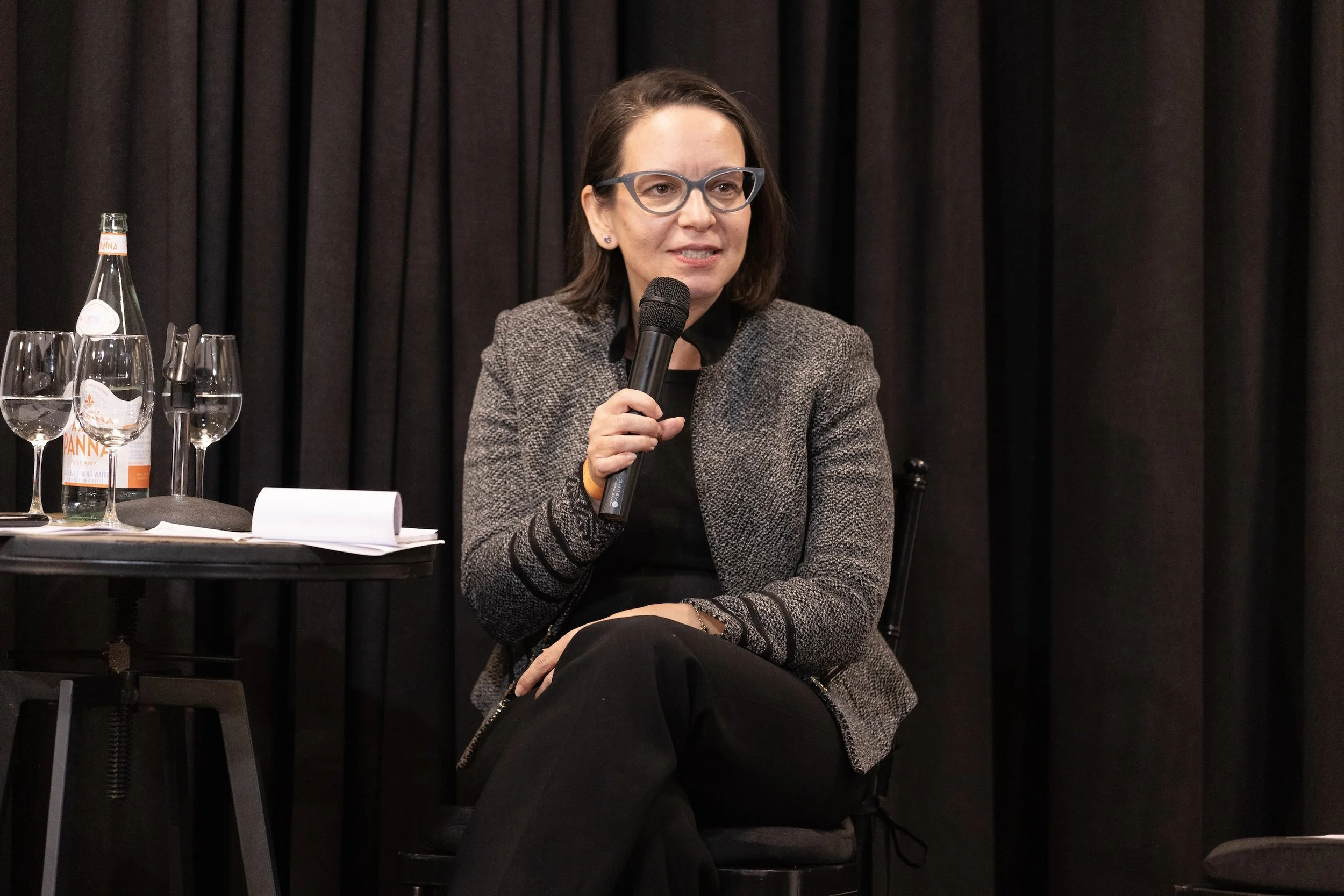
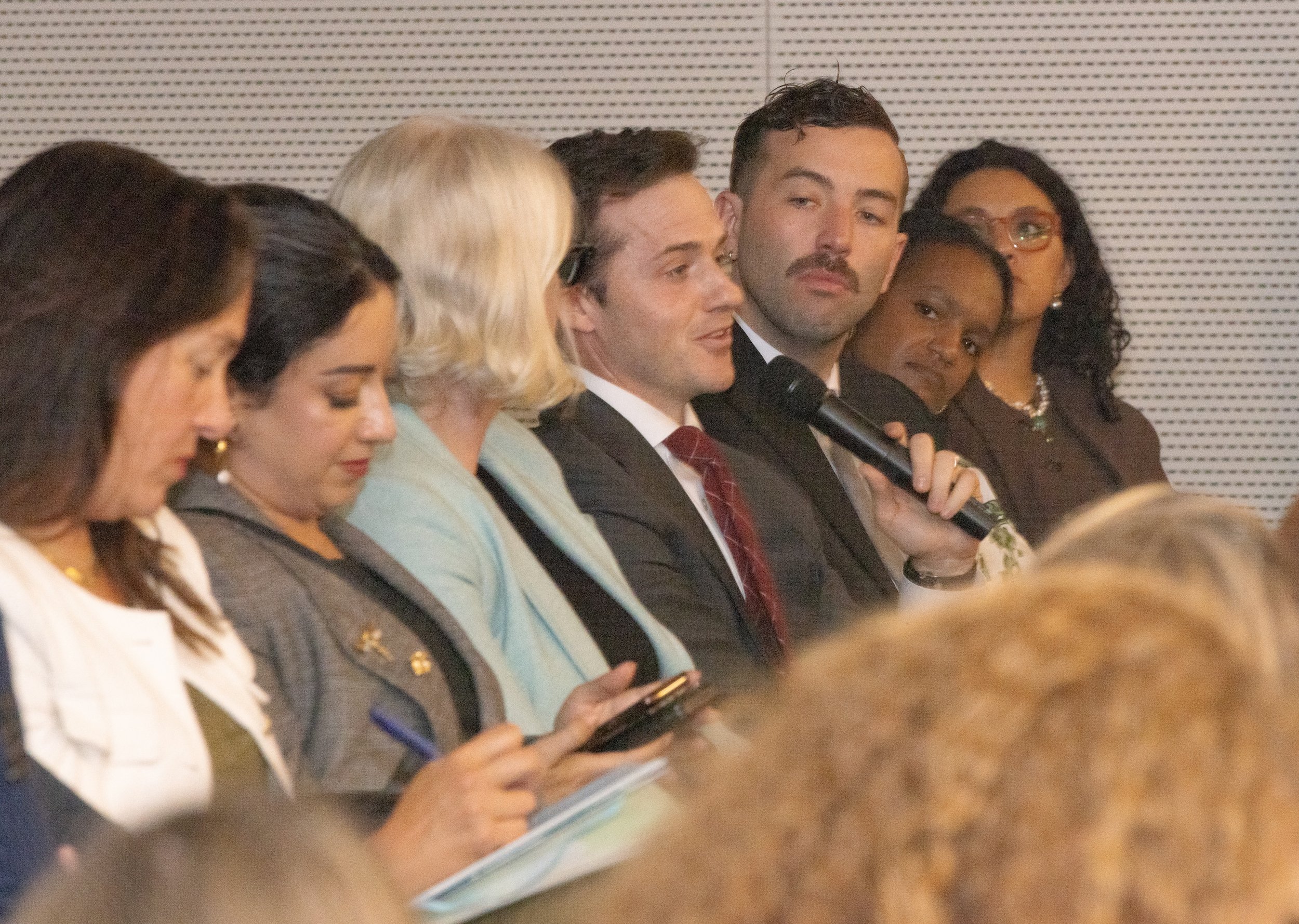
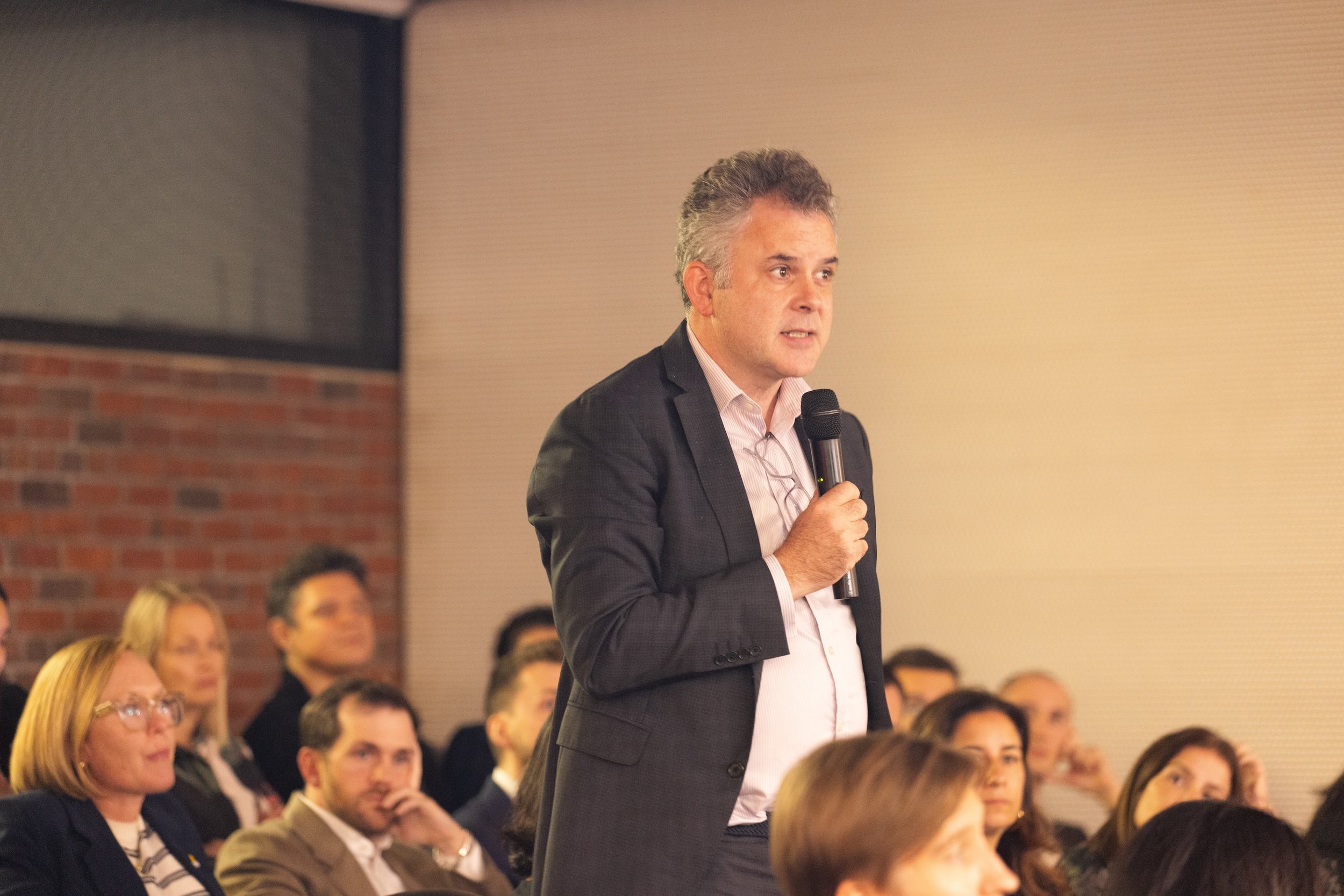
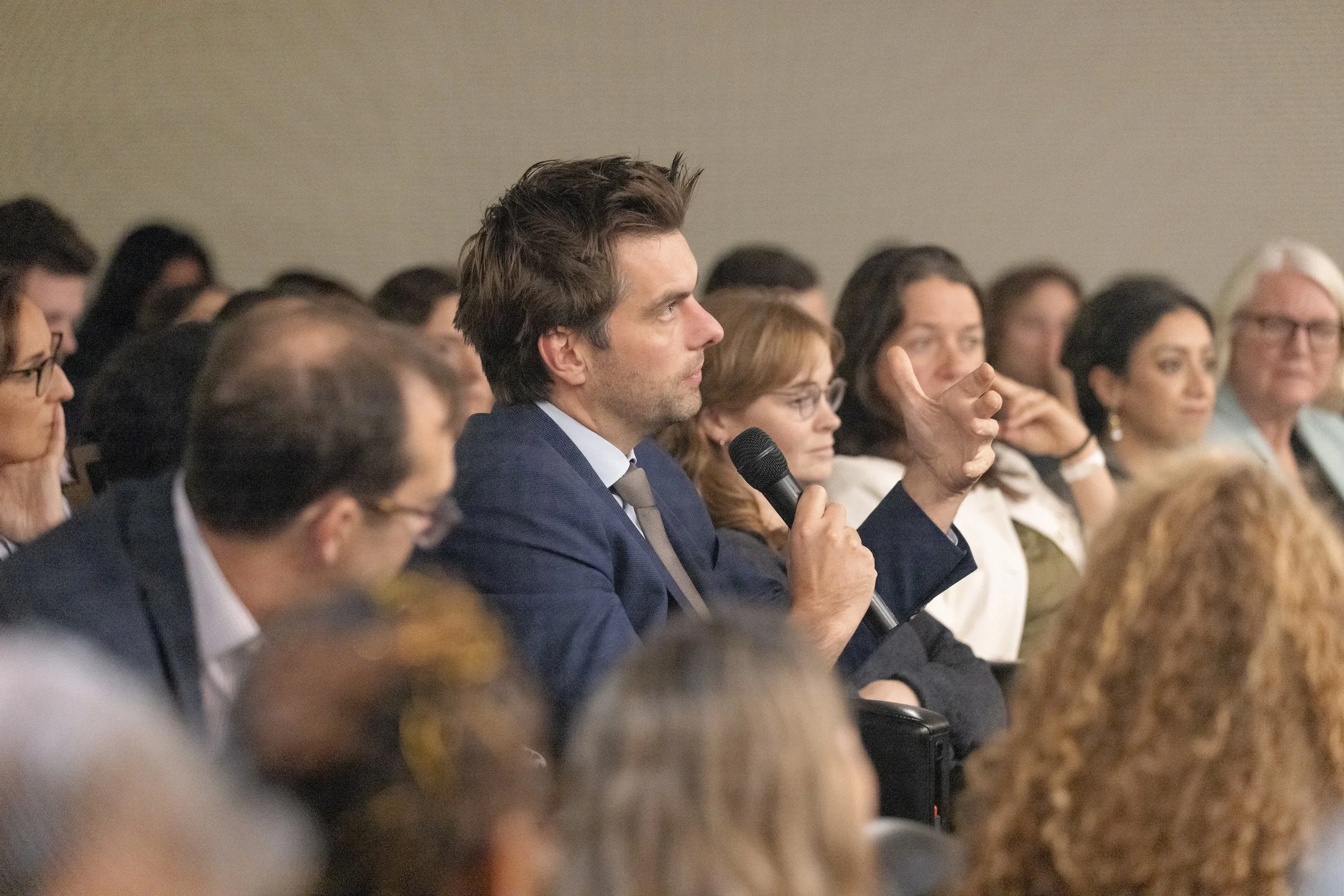
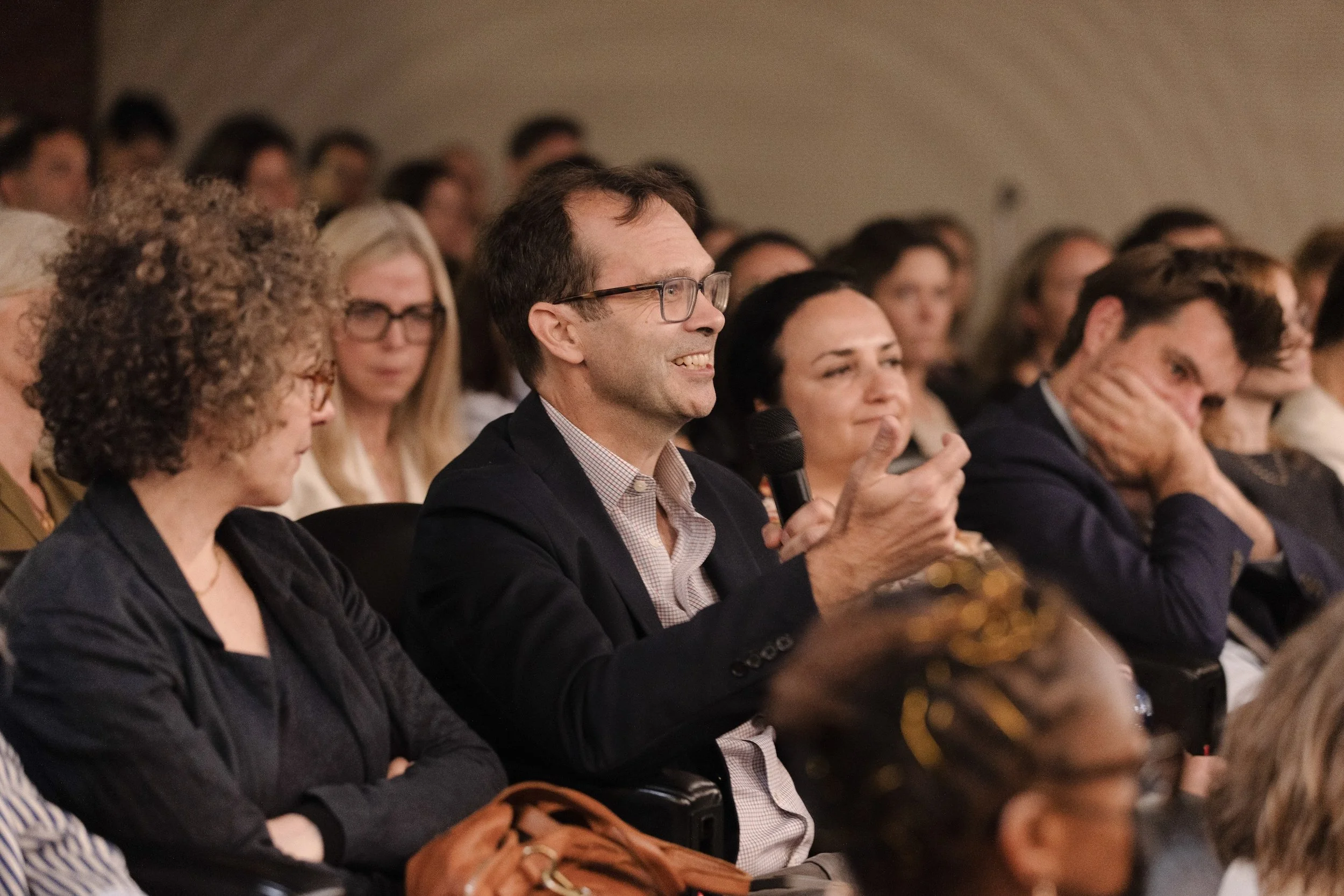
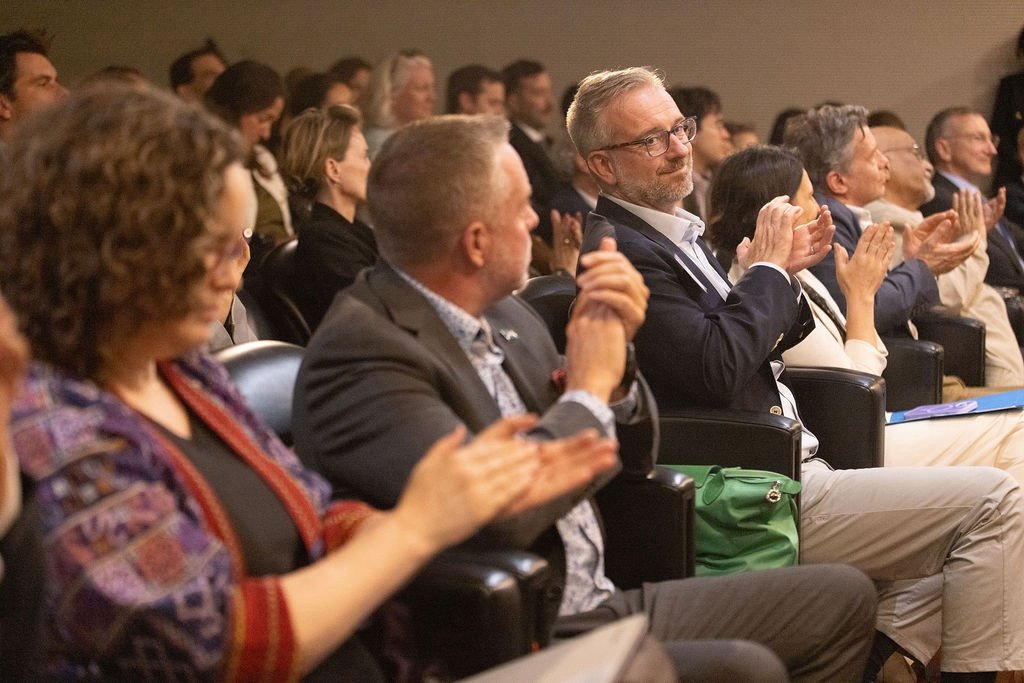
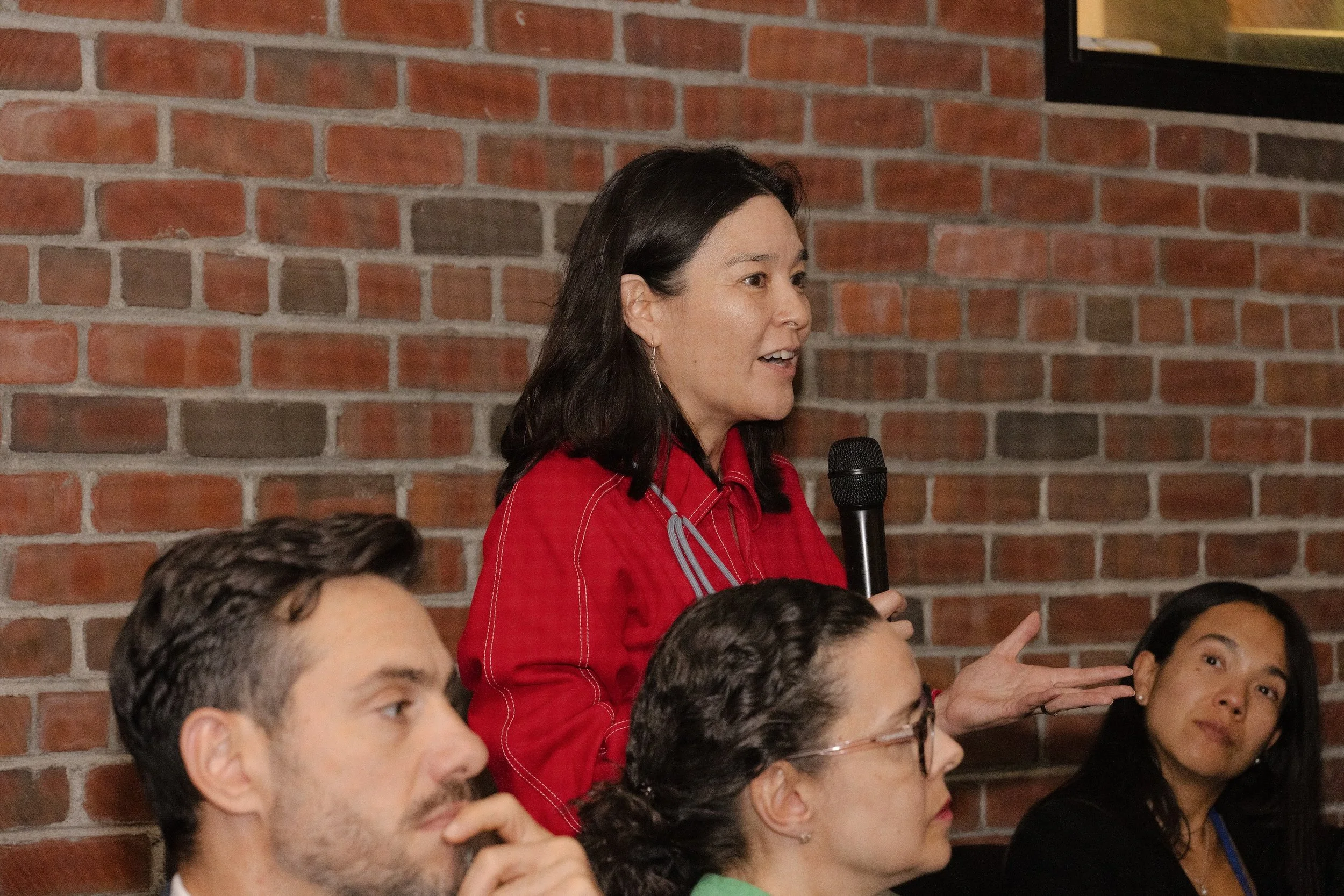
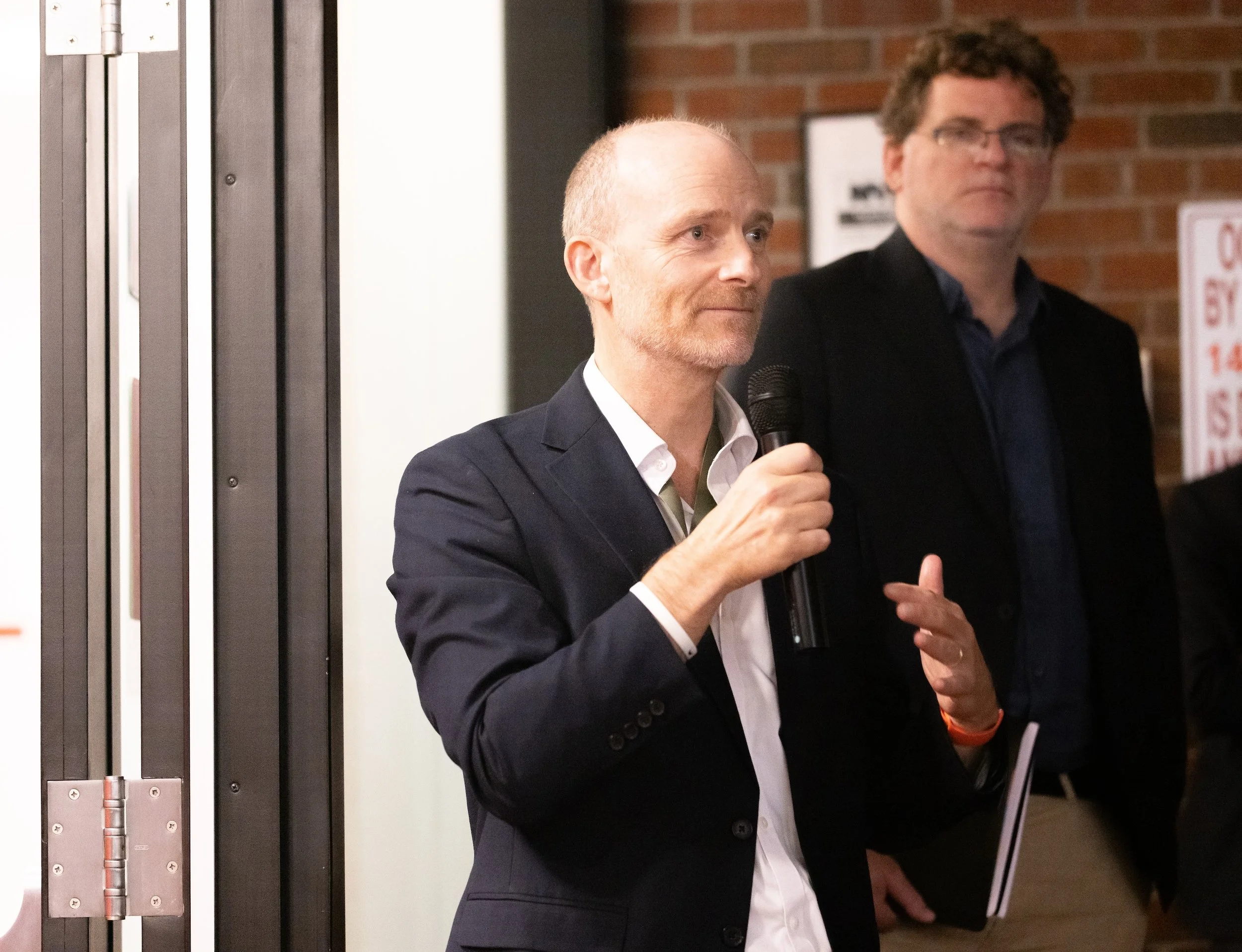
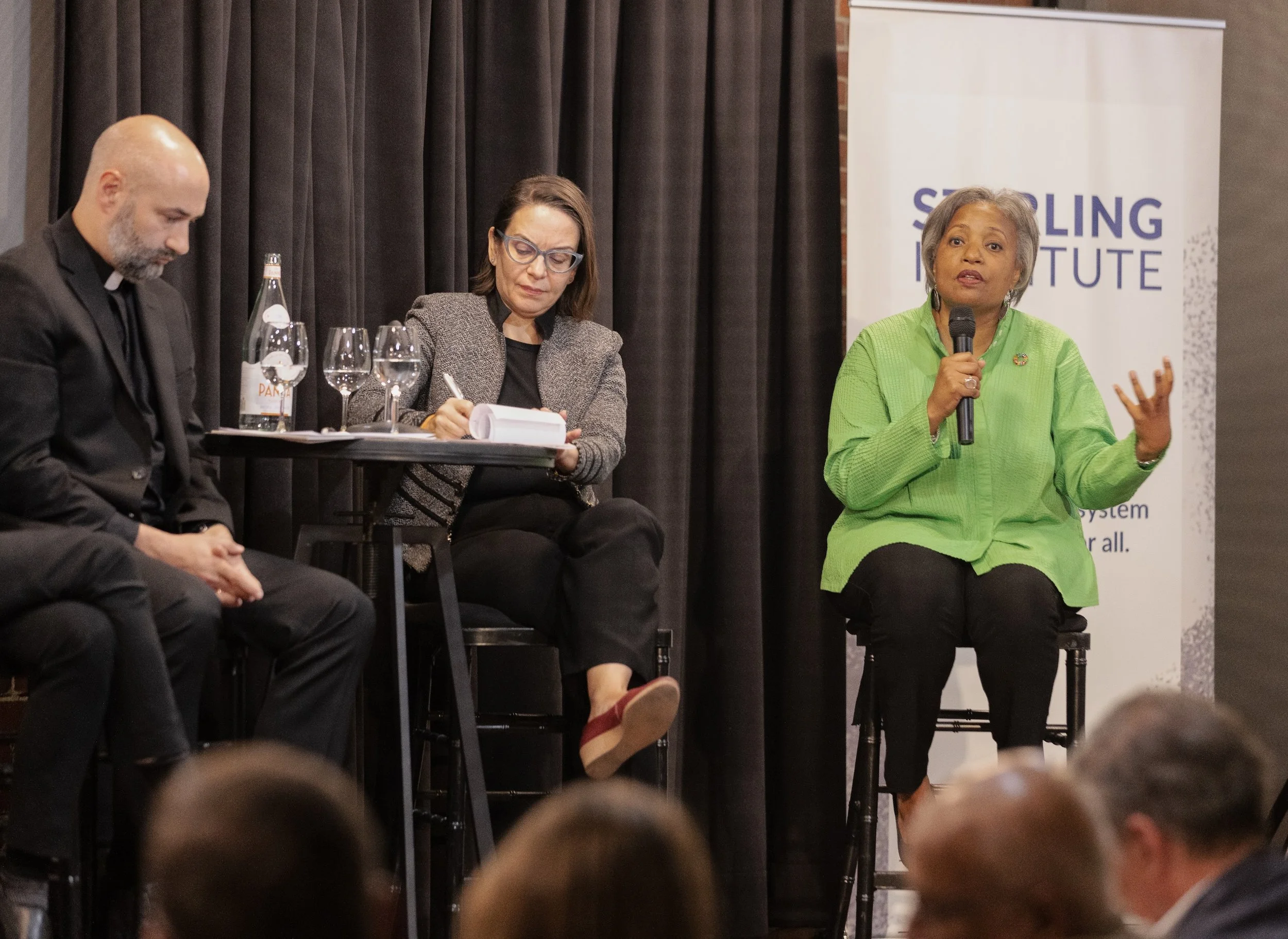
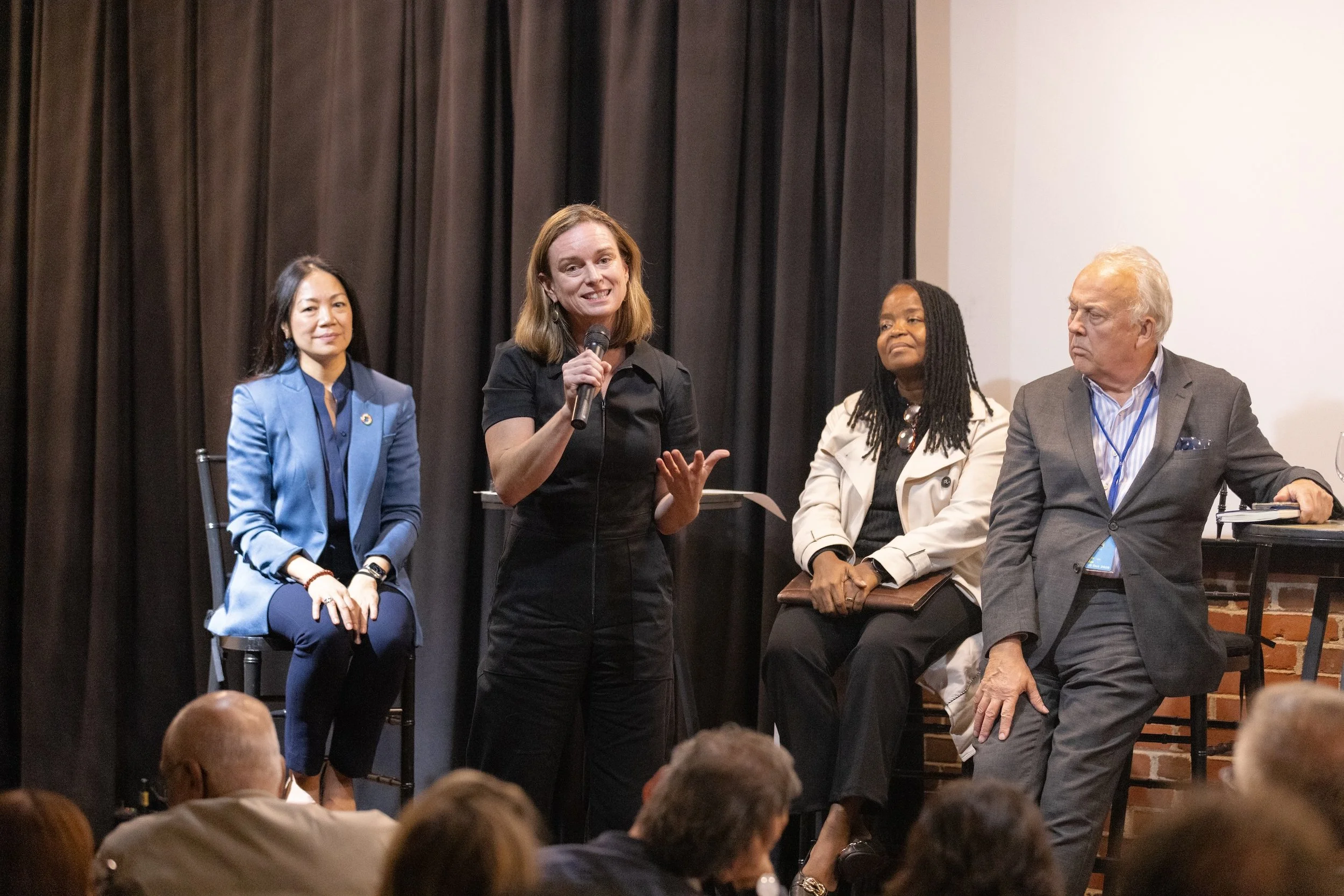
Building on last year's spirited flagship event, the Starling Institute, Cooperation Canada, and New America's Power, People, and Planet Initiative will open the third annual convening with a series of three-minute "opening provocations" from speakers representing government, the private sector, civil society, philanthropy, and academia. Each speaker will be invited to consider one or more of the following questions: Which actors will be essential to shaping the emerging international order, and what distinctive roles can they play? Which global challenges will require forms of organization and cooperation that do not yet exist or remain underdeveloped today? What would it take for these broader constellations of actors to exercise meaningful influence over international cooperation by 2050? This format is designed to surface areas of convergence and disagreement across institutional perspectives, providing the basis for a more dynamic and substantive conversation among an audience of senior leaders.
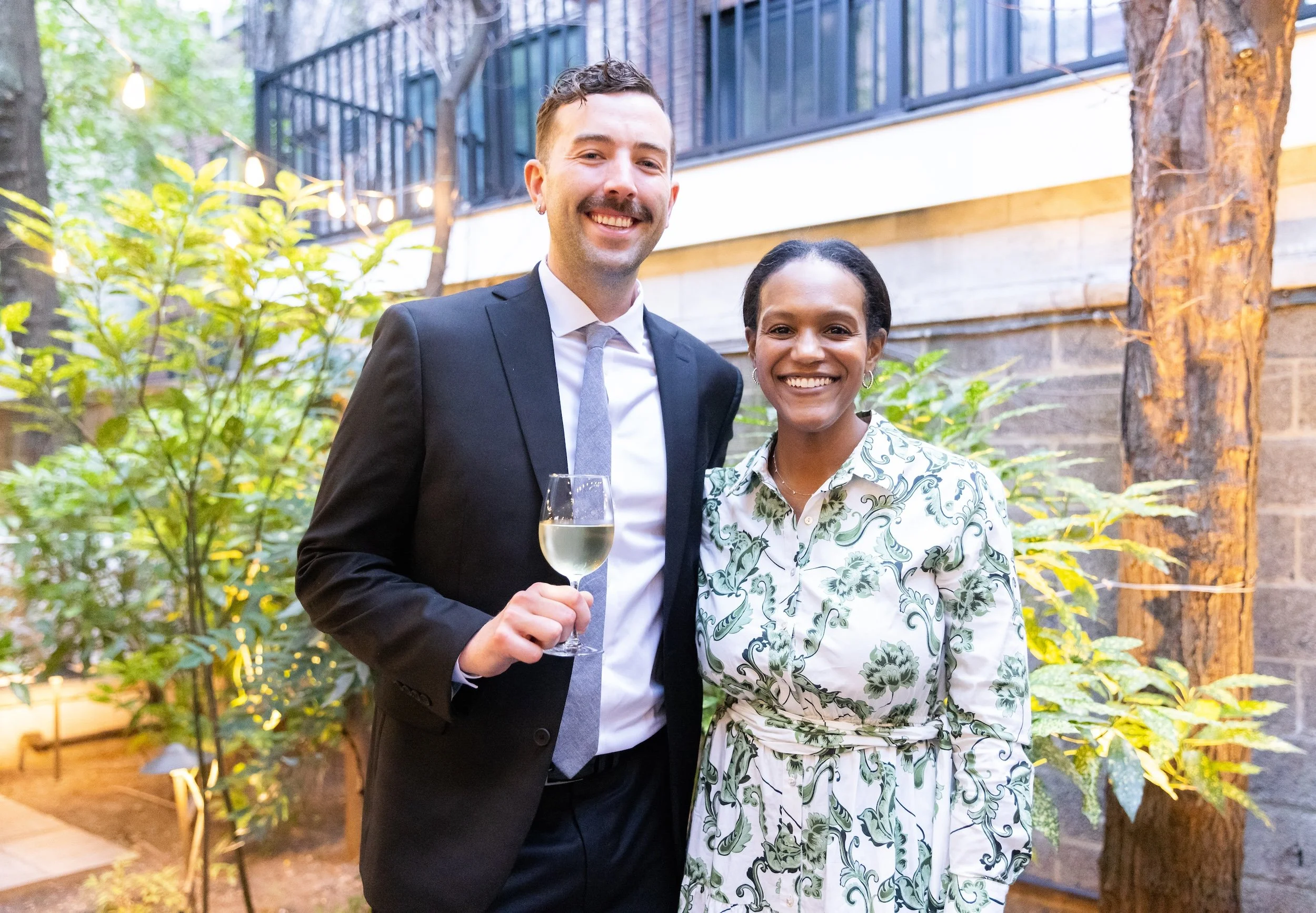
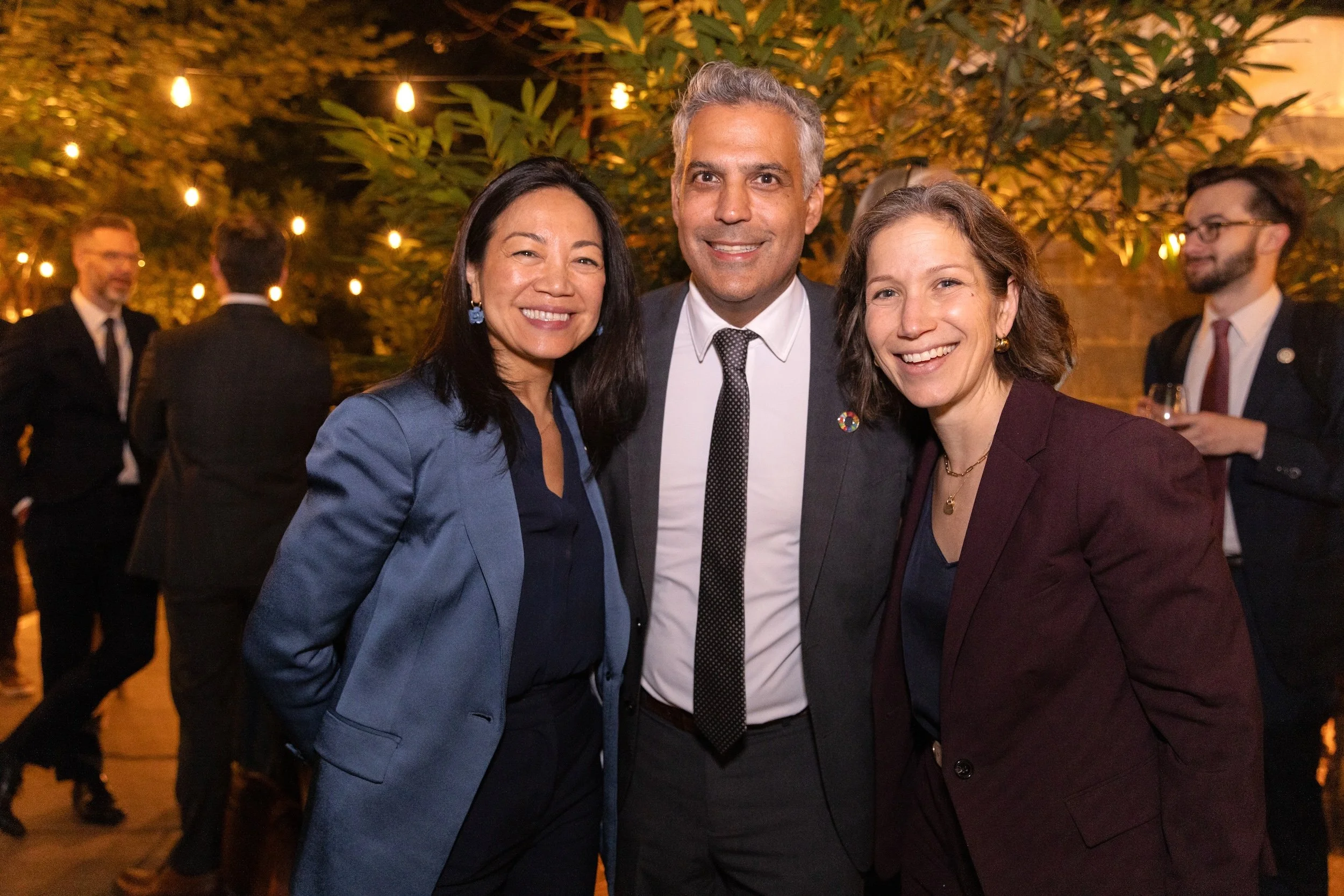
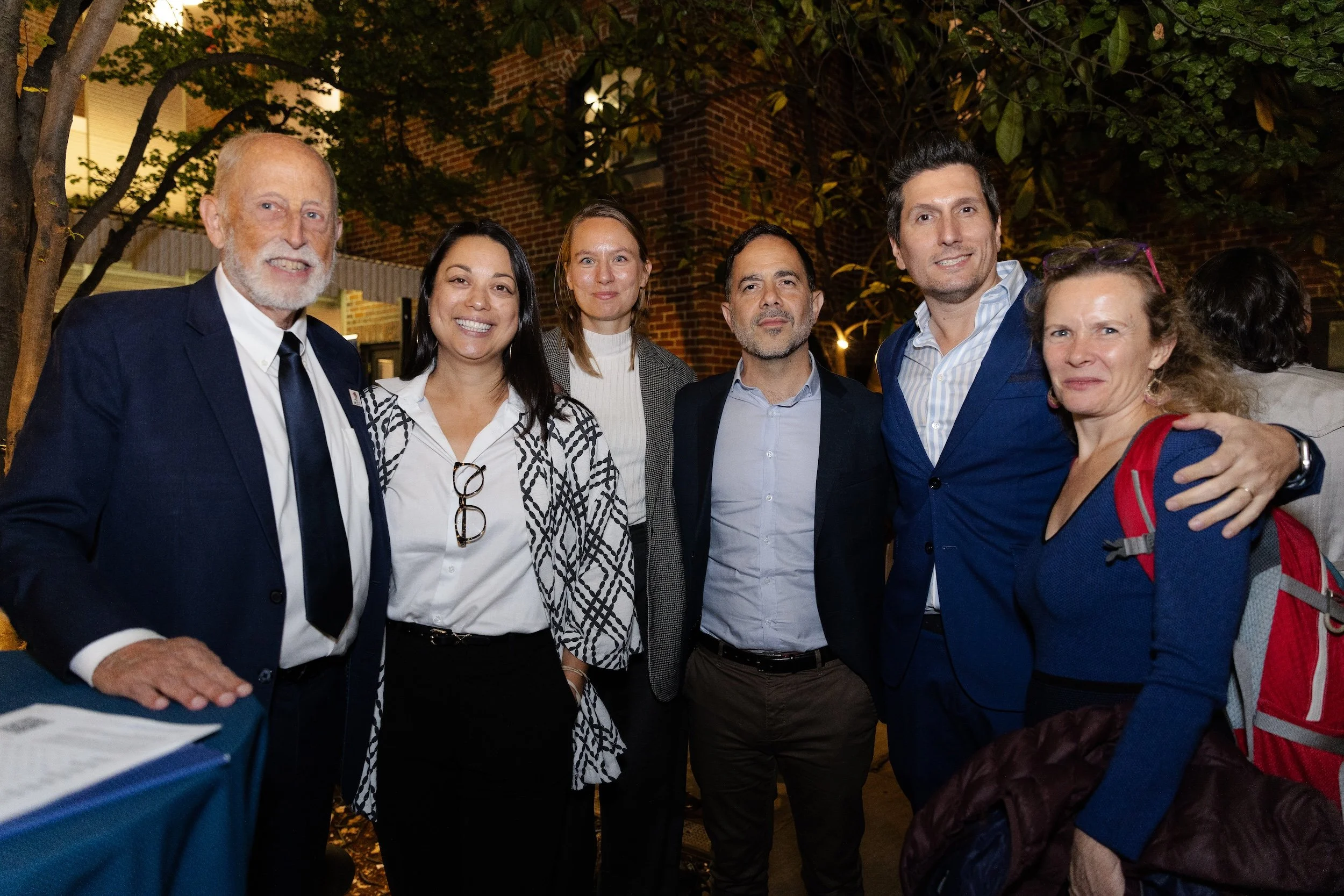
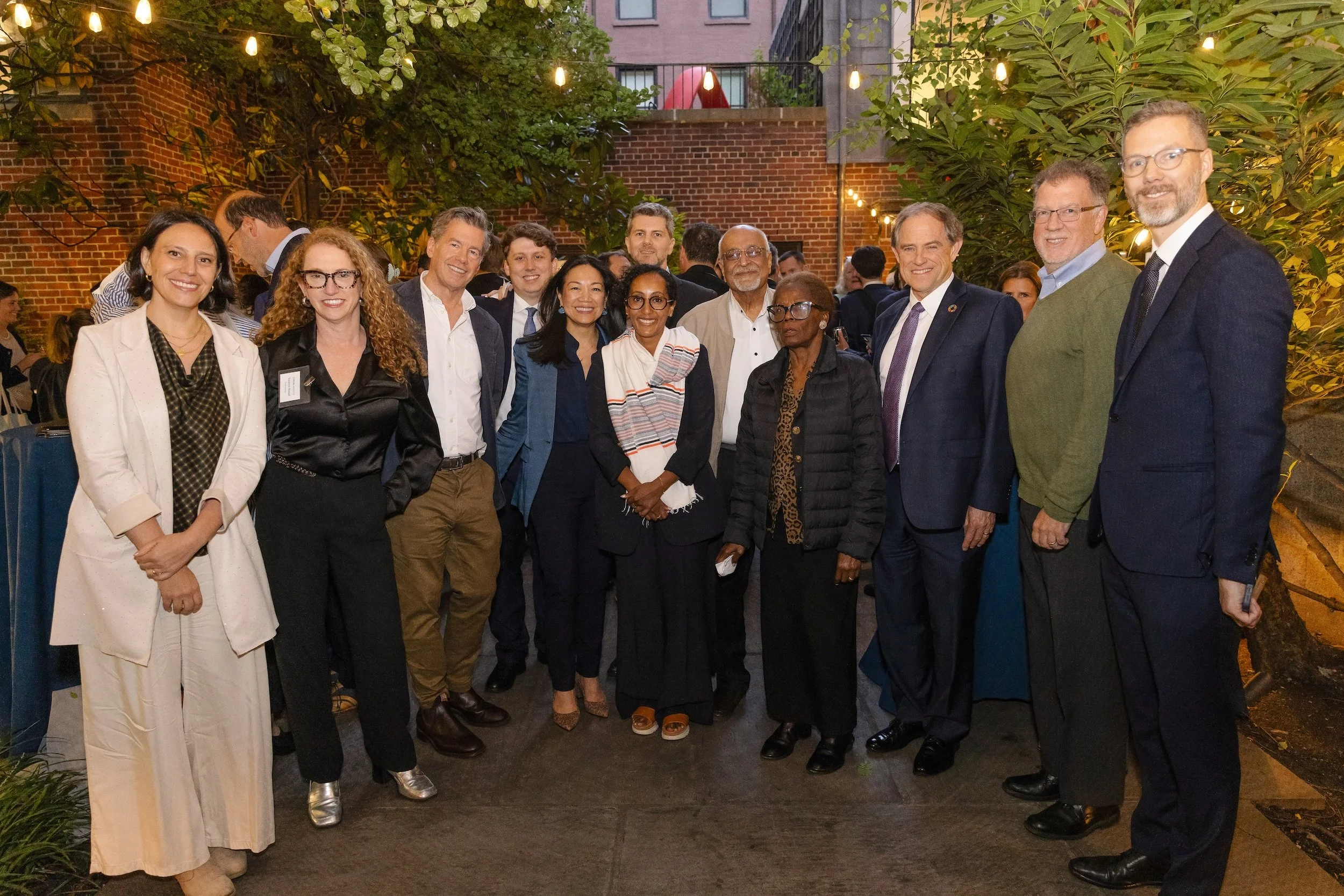
The discussion will be followed by a catered cocktail reception in the Institute’s garden with refreshments and hors d'oeuvres.