
The Return of Landmines: A Symbol of Eroding Global Norms
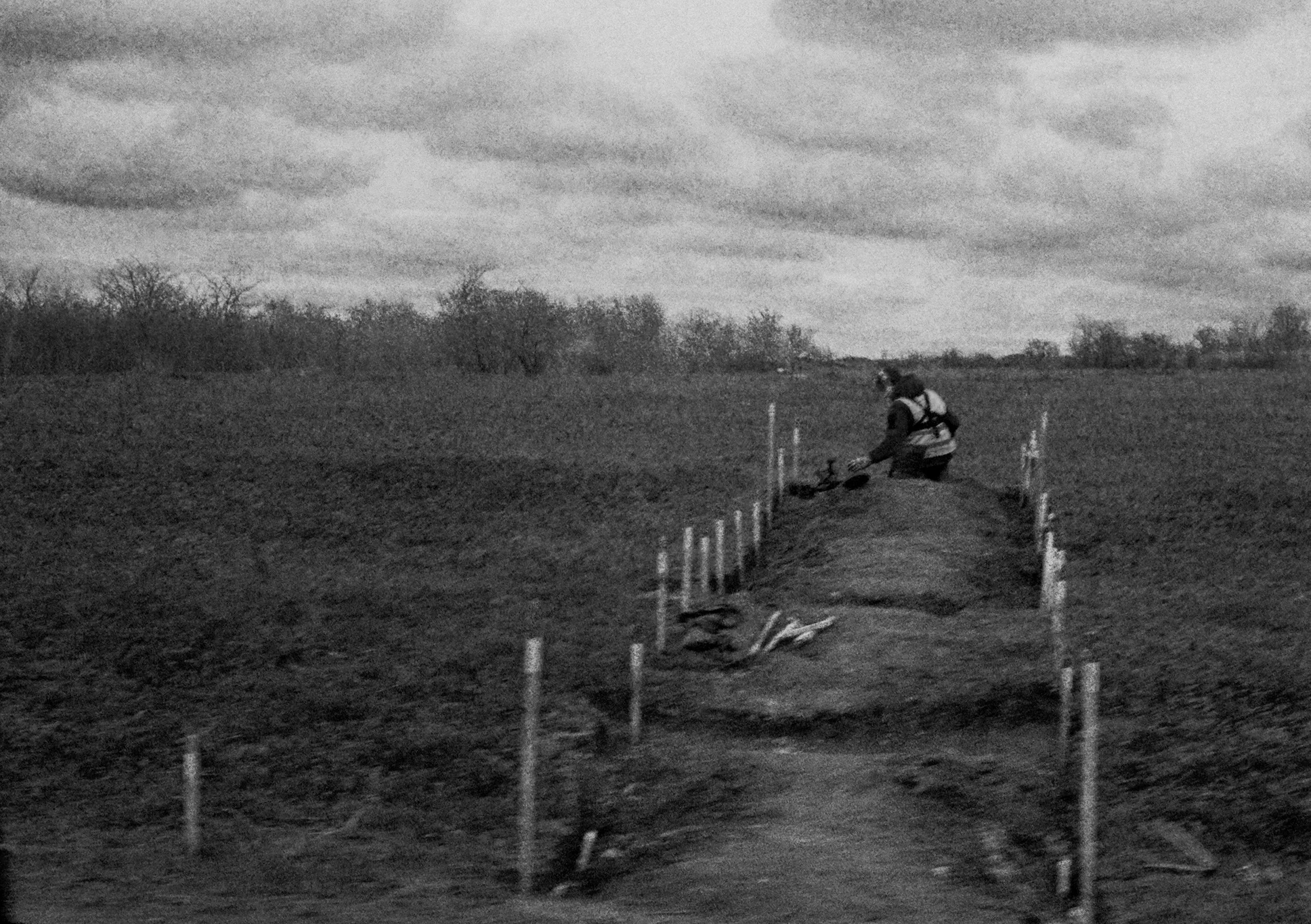
This piece was originally published as an opinion piece in PassBlue.
When international norms collapse, people die. This isn’t academic theory — it’s the stark reality behind Finland, Poland, Lithuania, Latvia and Estonia’s recent announcements to withdraw from the Ottawa Convention banning anti-personnel landmines.
“Military threats to NATO member states bordering Russia and Belarus have significantly increased,” defense ministers declared in their joint statement on March 18. “With this decision we are sending a clear message: our countries are prepared and can use every necessary measure to defend our security needs.”
This bluntness reflects genuine existential fear among nations contending with Moscow’s shadow as the United States commitment to NATO is being called sharply into question.
But for those of us who worked with the International Campaign to Ban Landmines, the withdrawal from the Ottawa Convention represents an alarming retreat from an agreement that has prevented untold suffering.
A little history helps put this in perspective. In 1992, as the campaign to ban landmines gained steam, some 26,000 people were killed or maimed annually by landmines, according to International Committee of the Red Cross reports. Landmines have always been terribly indiscriminate, and many of these casualties were inflicted years after the fact on children walking to school or farmers working their fields, all of which made post-conflict recovery even more challenging. By 1997, some 100 million landmines laid in deadly wait across approximately 60 countries.
Since their widespread deployment in modern warfare, landmines have claimed close to one million lives globally. And the human cost extends far beyond this eye-popping number when you also consider that each casualty represents a family devastated and a community impacted for generations.
That is also why the Ottawa Convention, ratified by 164 nations since its adoption in 1997 (but not by Russia, China and the US), stands as one of the most successful treaties in modern history. The citizen-led campaign to ban landmines was awarded the Nobel Peace Prize for its efforts. As Canada noted in 2017, when it was celebrating the 20th anniversary of the treaty, more than 51 million landmines had been destroyed since the advent of the treaty, with vast expanses of roads and fields having been reclaimed for safe use. Injuries and deaths from landmines dropped more than 80 percent between 1992 and 2024, although more work still obviously needs to be done.
It is heartbreaking that this potential retreat on landmines comes from within the European Union — perhaps the most successful multilateral organization globally, born from the ashes of war itself. The EU represents the culmination of efforts to develop socially, economically and financially as a secure community, and is a strong example of the win-win benefits of cooperation across borders.
The fact that EU members now feel compelled to abandon their commitments in favor of weapons that we know primarily harm civilians suggests a profound failure of our collective security architecture. It offers an ominous glimpse into what will be the likely cost of the winner-take-all approach to politics that seems to be so in fashion at this historical moment.
The landmine conundrum shows how breaking international agreements can have far-reaching consequences. By exiting the Ottawa treaty, these European nations risk emptying this and similar agreements of meaning, potentially legitimizing others to resume using, stockpiling and producing mines. What began as a tactical measure could trigger a dangerous proliferation of banned weapons worldwide.
We must not ignore the lessons from history. Landmines create an illusion of security while imposing horrific human costs. One would assume that modern military technology offers defensive alternatives that don’t leave lethal legacies for generations.
Whether it is in security, trade, diplomacy or global health, we are all more secure and prosperous when like-minded nations embrace core norms and work together. But we are far worse off when nations don’t.